



How to Fly With Film Q&A
Will airport security scanners ruin your film?
Are you a film photographer who loves to travel? Then you’ve probably found yourself in an airport security line, wondering if your film is safe from X-rays or worse, the new CT scanners. Can they damage your film?
It’s one of the most common questions we get from film shooters. In this guide, we’ll break down everything you need to know about flying with film – from traditional X-ray machines to the newer, more powerful CT scanners – along with practical tips to help you travel with confidence and keep your film safe through airport security.
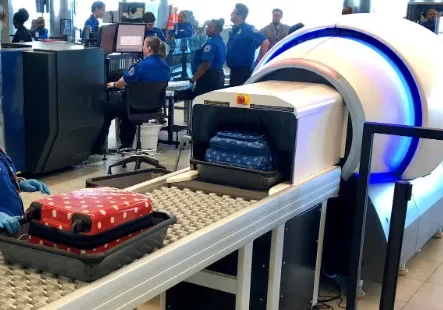
Why can film get damaged by airport security screenings?
Photographic film is light-sensitive. Airports use X-ray & CT scanners, which pass electromagnetic radiation through our luggage to make sure we don't have undesirables in our luggage.
The visible light our eyes see, and that film is sensitive to, is further down the same electromagnetic spectrum as the X-rays security scanners utilize. The light-sensitive chemicals in film can react when exposed to those X-rays, fogging your film and causing other unwanted issues that can affect the quality of your images. CT scanners are becoming increasingly common in airports and unlike traditional X-ray machines, they’re significantly more powerful. Unfortunately, that added strength can mean serious damage to your unprocessed film. In fact, just one pass through a CT scanner can damage a roll, which makes taking film through airport security a concern for film photographers.
What To Do
First and foremost – never pack film in your checked baggage.
We recommend politely asking the Customs Officer for a hand-check/inspection when bringing film through the customs checkpoint. In our experience, most are more than willing to accommodate the request - especially when you’re prepared. Internationally, it can vary by country, but it’s always worth asking.
If you’re wondering how to fly with film safely, here are a few tips to make the process smoother and faster at the checkpoint:
- Remove film from all canisters and packaging ahead of time
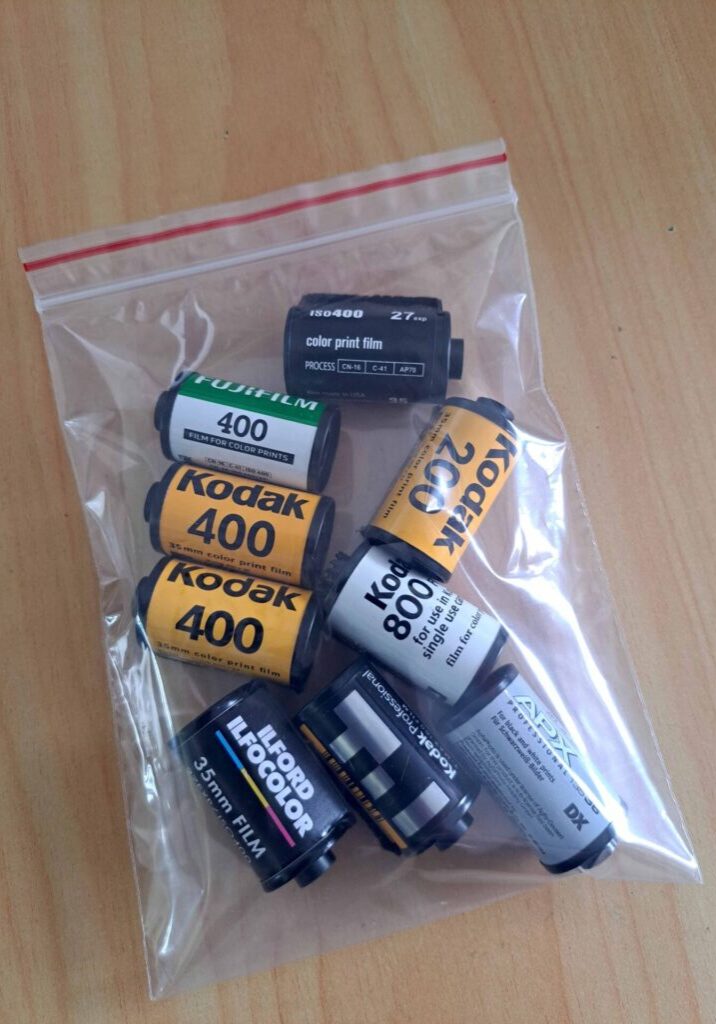
- Place film in a clear ziplock bag or a Darkroom Do Not X-Ray Film Pouch
- Keep it easily accessible – store it in a side pocket of your carry-on
- Never put film in checked baggage (including film still inside cameras)
- Don't have film loaded in your camera.
Carry-on X-ray scanners use lower levels of radiation and typically don’t harm film under 800 ISO, but we still recommend playing it safe and requesting a hand-check - especially if your trip includes multiple flights or airport transfers as the X-ray damage is cumulative.
While a simple ziplock bag works, we highly recommend using a bag labeled Darkroom Do Not X-Ray Photographic Film instead. It’s clear labeling “Do Not X-Ray,” can help with language barriers, making your request easier for the border officer to understand. These pouches are ideal for travel and film organization.
We do not recommend using lead-lined film bags. While they can block standard X-rays, they’re ineffective against CT scanners, which are much stronger and can see through the lead – often resulting in more damage to your film. Plus, if officials sees a lead bag in your carry-on, they’ll likely ask you to remove it so they can inspect what’s inside anyway.
That’s why a hand-check remains the safest, lightest, and most effective way to protect your film. Just let the Border Officer/Agent know you’re carrying photographic film and kindly request a manual inspection – it’s usually not a problem
What if I can’t get my film hand-checked?
If for some reason you don’t have time, aren’t permitted, or totally forget to request a hand-check for your film, don’t sweat it. The odds are in your favor. We’ve seen hundreds if not thousands of x-rayed films - most of which have been fine and still produced great results! Happy Shooting!